



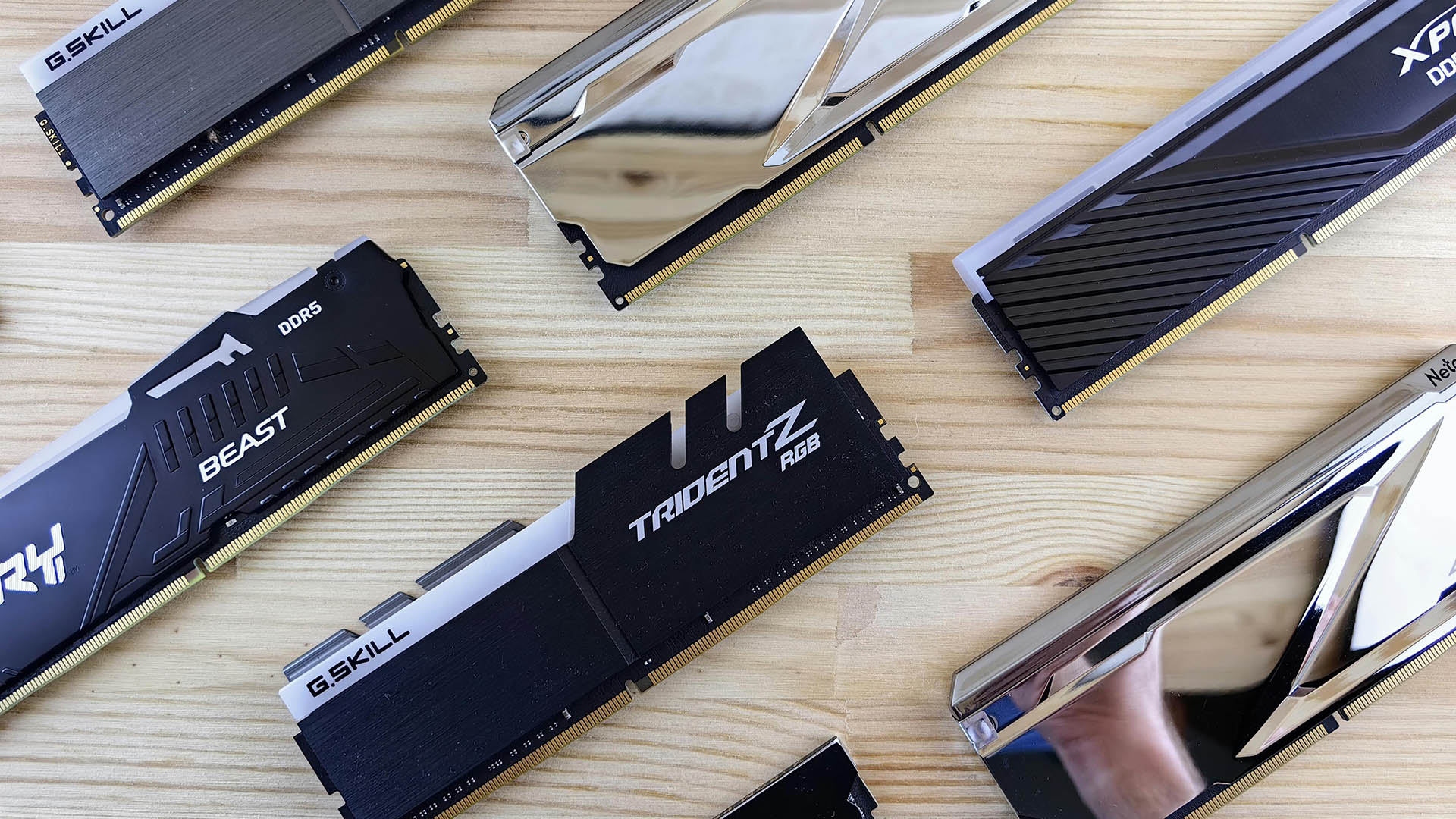
DDR(Double Data Rate) memory is one of those components that we automatically assume will be cheap and available. Processors come and go, video card prices fluctuate, but the price of RAM should be gradually decreasing, right? DDR5 was expected to follow this scenario. But 2025 completely shattered that illusion. At the end of the year, DDR prices became a major issue, directly affecting the prices of PCs, laptops and even video cards.
When 32 GB memory costs more than the processor
2025. At the end of the year, we can read news headlines that would have seemed absurd a few months ago: “32GB DDR5 memory now costs over $400“. And we are not talking about some exotic overclocked sampler or limited-run RGB monster. This was a normal, widely used DDR5 memory module – the kind that, in mid-2025, was selling for under $100 and was finally affordable to consumers.
PC builders and enthusiasts were shocked not so much by the price itself, but by its extremely steep rise. A component that most buyers think of as “safe to buy at some later date” suddenly became the most unstable item in the kit. The DDR went from a boring component to a scary one in a matter of months.
2025. Year 1 – from a stable market to geometric progression
Going back to early and mid-2025, sentiment on DDR5 prices was cautiously optimistic. Supplies had improved, the DDR5 platform had gained ground and prices had finally become affordable for a wider range of users.
Then came Q4. From September to December 2025, the price of 16 GB DDR5 chips increased from around USD 6.84 in September to around USD 27.20 in December. This is an increase of almost 300% in three months at production level, even before retail mark-ups are taken into account.
When this price surge started in production, retail prices had no chance of staying the same. In October, traders were already warning of dwindling stocks. In November it became clear that this was not just a temporary phenomenon. By December, DDR5 memory had reached a state of complete scarcity: limited supply, aggressive pricing and competition from buyers.
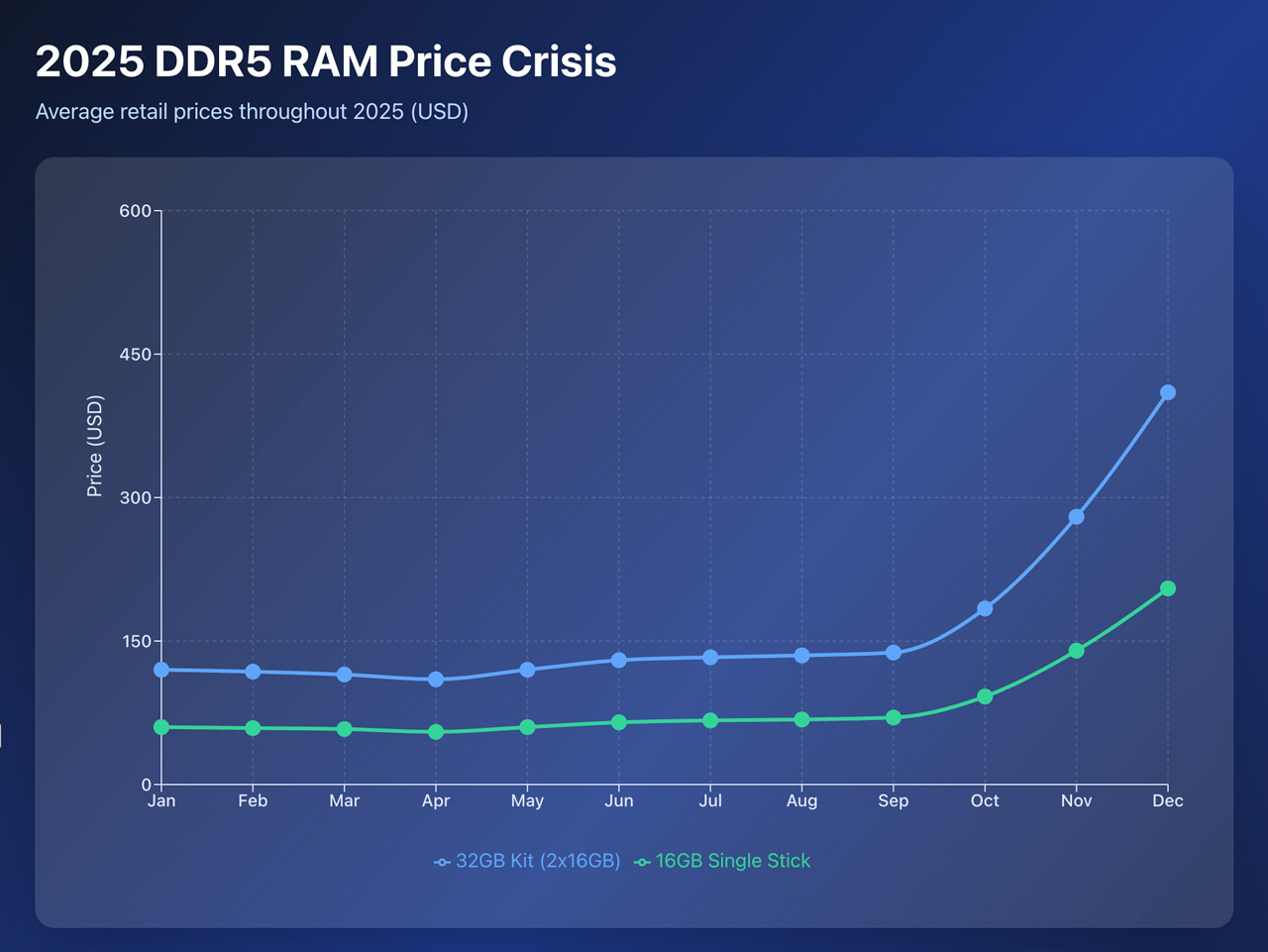
Retail prices go through the roof
Abstract percentages are one thing. But in this case, we have seen the prices of real products doubling, while they are still in the same relatively “average” price category.
Specific examples from European retail clearly illustrate the situation:
- DDR5-6000 CL30 2×16GB set of approximately 140 euros 2025. between September and November 2010, the cost of 265 euros.
- DDR5-6400 CL30 2×16 GB set for the same period from around 190 euro rose to 390 euro.
And then in December, a truly surreal moment occurred when standard 32 GB DDR5 kits, which sold for less than $95 in mid-2025, surpassed $184 in October and ended the year at over $400 in some markets. At this point, RAM was no longer a relatively simple choice (“Should I take 32 GB or 64 GB?”), but began to dictate all decisions on PC configuration. Suddenly processors and motherboards seemed reasonably priced, and RAM a luxury item.
From the point of view of the PC assemblers, this was not caused by exaggerated hype or panic among buyers. It was simply a lack of supply – and the unpleasant realisation that consumers are no longer the most important customers.
Why is this increase not just another memory price cycle?
People with more experience in the computer market will say, “It always happens with memory prices.” This is not a lie, but it is not entirely correct either. Yes, DDR prices have always been cyclical. We have seen boom and bust periods before, caused by overproduction, underinvestment or sudden changes in demand. 2025 is different.
MI data centres absorbed large volumes of DDR5 in 2025, shifting memory supply priorities
2025. In 2010, huge AI infrastructure projects not only increased the demand for memory – they changed the priority. Grandiose data centres began consuming huge quantities of high-density DDR5, often under long-term contracts that guaranteed supply regardless of price. For memory manufacturers, this was a rational choice: corporate buyers do not hesitate, do not return products and do not complain on forums.
The PC kitters came to an unpleasant truth: consumer DDR5 and AI DDR5 are produced in the same factories. When capacity is limited, factories do not distribute production democratically. They follow profits and guarantees. This is how DDR has quietly transformed from a commodity into something more like a strategic resource – scarce, high-risk and increasingly political in supply chains.
Warehouses are running out of stock
Price rises do not happen in a vacuum. It needs a trigger, and at the end of 2025 that trigger was stocks. As autumn began, several market analysts reported worryingly low levels of memory stocks. In some cases, sellers only had stocks for a few weeks, not months. This is a dangerous situation. As soon as distributors realise that restocking is uncertain, the pricing logic immediately changes. Nobody wants to be the last to sell “cheap” memory before restocking at double the price.
On the retail side, this took subtle but distinctive forms:
- Popular DDR memory models disappeared, but new ones did not take their place.
- Models with lower speed and latency are available.
- Manufacturers quietly changed standard memory configurations or raised prices without explanation.
From the point of view of the large memory manufacturers, this was a rational reaction, which unfortunately seemed irrational to the consumer.
Earthquake effect – the impact of DDR memory on other products
One of the most common misconceptions is that DDR prices only affect those who buy the memory itself. In fact, they affect almost all categories of electronic products.
Video cards are the most obvious example. Today’s video cards are heavily dependent on on-board memory, and although GDDR is a distinct product line, the manufacturing ecosystem overlaps. When factories are overloaded, everything related to memory becomes more expensive. This sometimes translates into lower stock levels, delays in new product launches and stagnating high prices.
Laptop and PC manufacturers felt the impact even sooner. Manufacturers do not like unstable components – DDR prices soared and the ability to configure PCs declined. For buyers, this meant fewer RAM choices and higher prices.
Even mobile devices use DRAM. Consumers do not see exactly how much memory costs in smartphone prices. But manufacturers are responding by adjusting the amount of memory in their phones and by recommending prices.
2025. Year 1 compared to previous memory crises
Anyone who packed computers around 2017-2018 will feel a familiar shiver here. Back then, DRAM prices peaked, driven by smartphones, the growth of cloud services and a lack of new production capacity. Memory was a scarce commodity, expensive and this led to frustration, but eventually prices fell again.
The key difference is who competes. 2017. In 2010, it was consumers versus consumers: smartphones versus PCs, laptops versus desktops. All were price sensitive, and demand fell when prices became absurd. This created a natural ceiling.
At the moment, consumers are not competing with each other. They are competing with MI infrastructure, which is funded on a completely different scale. Building data centres does not stop just because RAM is expensive. They pay a premium, secure supplies and keep growing. This removes the self-correcting mechanism on which the memory market used to rely. While this crisis is reminiscent of the past, it is much different.
2026. Forecast for 2010: why prices won’t fall any time soon
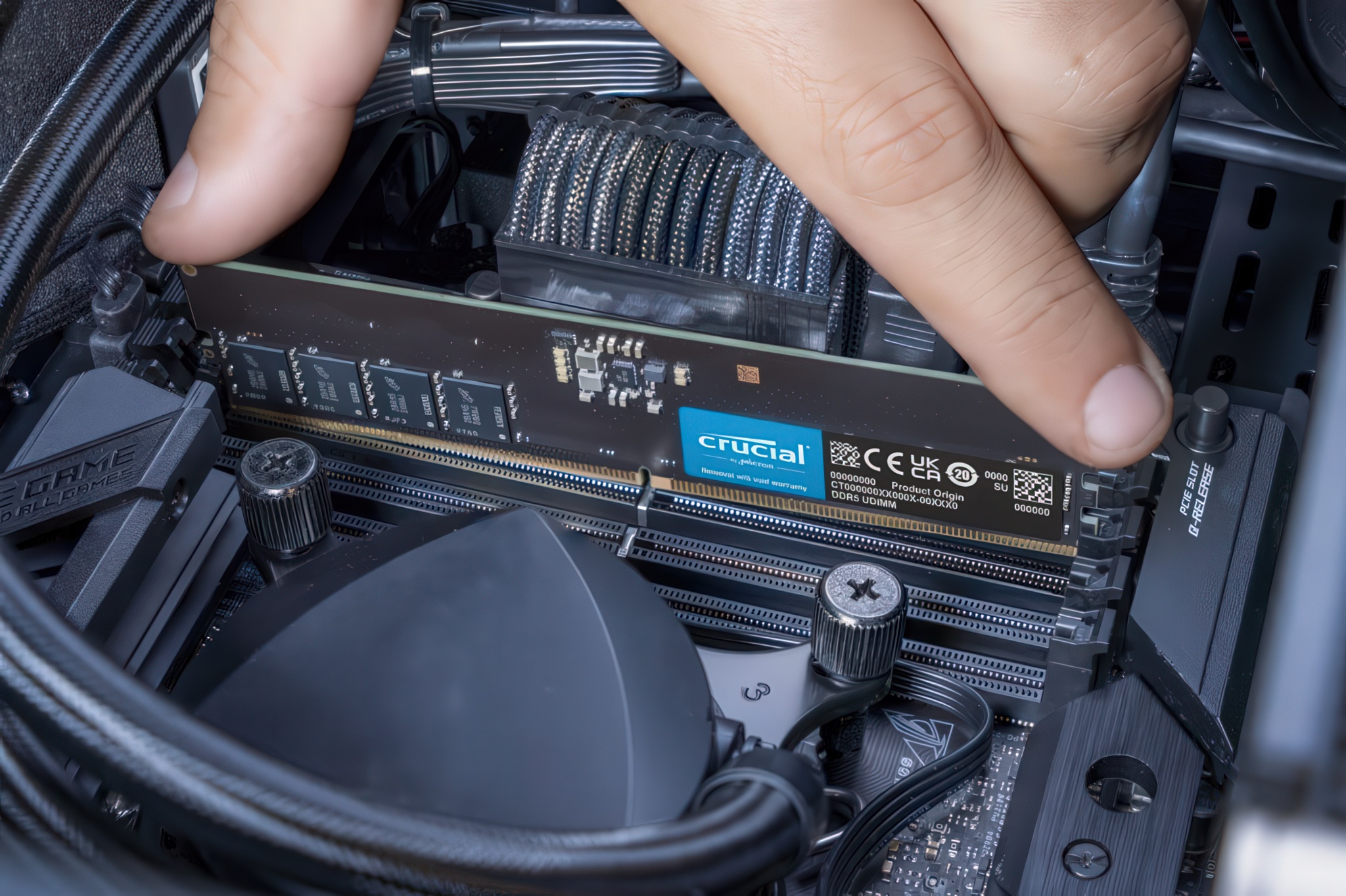
No one will like this, but it is better to say it clearly. Most analysts predict that the DDR deficit will persist at least until the first half of 2026. New production capacity takes time to build – factories do not spring up overnight – and the AI-driven demand that caused the shortage has not significantly diminished. A sharp increase in memory production is not expected.
The general forecasts are roughly as follows:
- 2026. No significant price falls are expected at the beginning of the year.
- High price volatility will continue, especially for popular memory sizes such as 16 GB and 32 GB modules.
- Some forecasts even suggest that prices in certain segments could increase by 30-50% per quarter if supply continues to fall.
This does not mean that prices will continue to rise linearly indefinitely. The market will eventually adjust. But it does mean that buyers expecting a quick return to “normal memory prices” could be waiting longer than they think. Some smaller manufacturers have even restarted production of DDR4 memory, as prices for this too have tripled. An uncomfortable but fair prediction: by early 2026, DDR5 prices are likely to remain high, not suddenly drop.
What it means for buyers now
It is probably not a wise idea to postpone buying a memory until later or at the last minute. At this point, RAM purchases should be planned in advance.
Some practical considerations to bear in mind:
- If you are planning to upgrade your computer, memory prices are no longer a minor factor – they can dominate your budget.
- There is no point in aiming for ultra-high frequencies or low latencies anymore, unless they are really necessary.
- Computer configurations that work well with less or slower memory suddenly look much more interesting.
Finally
2025. The real lesson of the year is not just the rise in DDR prices. It is why they went up. Memory became a shared resource between consumers and an industry that operates on a completely different scale and time sense. For years RAM was a boring, predictable part of a computer configuration. 2025. The end of the year reminded everyone that memory is also subject to economic principles. We can only wait for supply to catch up with demand – the three biggest memory manufacturers Samsung, SK Hynix and Micron are currently building new plants, but they will not be operational until 2027 at the earliest.
So don’t delay and buy DDR5 memory now at TopPC.lt online store!